


All Products
-
Pouches Packing Machine
-
Granule Packing Machine
-
Liquid Packing Machine
-
Powder Packing Machine
-
Mini Doypack Packaging Machine
-
Tea Bag Packing Machine
-
Coffee Packing Machine
-
Vertical Packing Machine
-
Flow Packing Machine
-
Stand Up Pouch Packaging Machine
-
Rotary Vacuum Packaging Machine
-
Filling Machine
-
Horizontal Doypack Packing Machine
-
Premade Bag
-
Packing Machine Accessories
-
Filling and capping machine
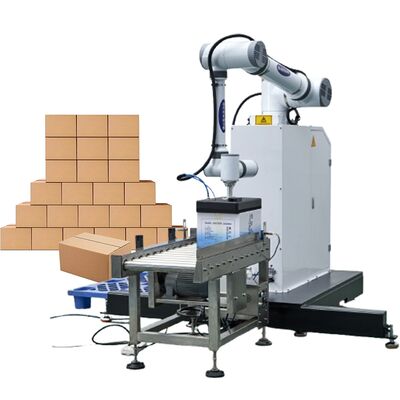
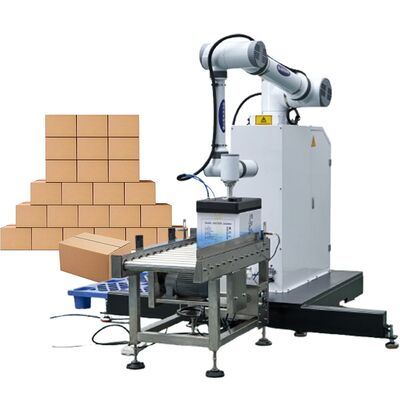
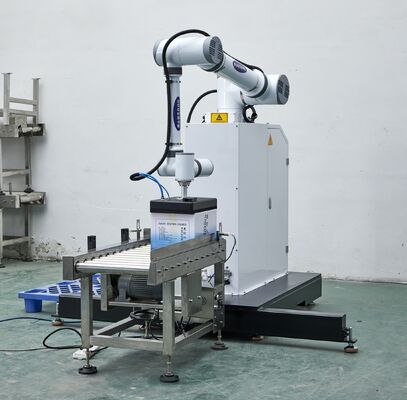
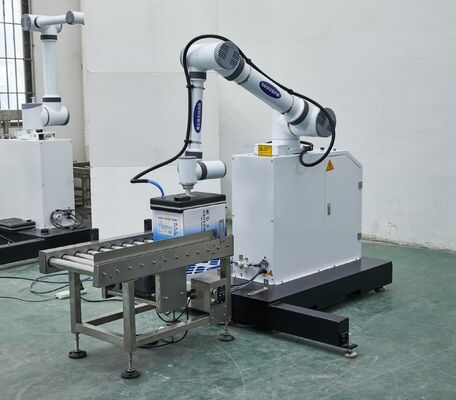
Automated Palletizing Machine for Packing Products, Featuring Suction-Based Stacking and Built-in Collision Detection


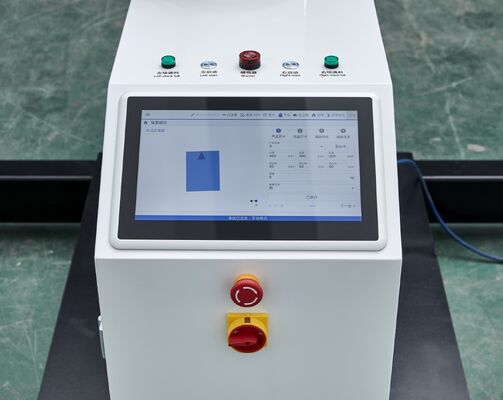
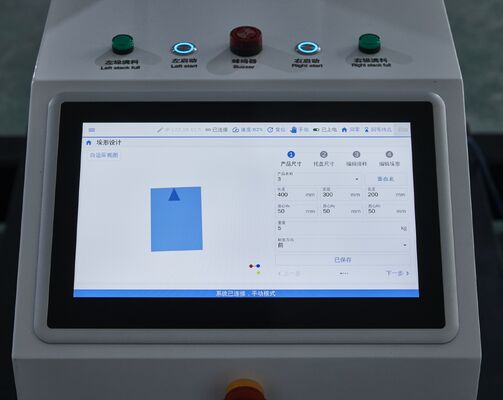
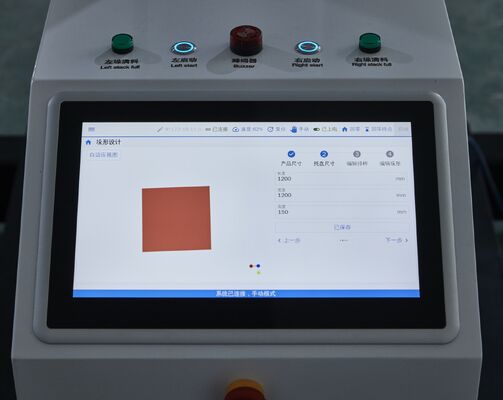
Product Details
| Product Name | Palletizer | Weight Of The Unit | 20kg |
|---|---|---|---|
| Operating Range | 1525mm | Maximum Wingspan | 1,730 Mm |
| Rated Voltage | Single-phase 220 V | ||
| Highlight | automated palletizing machine with suction stacking,palletizing machine with collision detection,packing machine accessories for product stacking |
||
You can tick the products you need and communicate with us in the message board.
| Packing Machine Type | |
|---|---|
| Granule Packing Machine | |
| Liquid Packing Machine | |
| Powder Packing Machine | |
| Stand-Up Pouch Packing Machine | |
| Vertical Packing Machine | |
| Horizontal Packing Machine | |
| Tea Bag Machine | |
| Coffee Bean Packing Machine | |
| Horizontal Packing Machine |
Product Description
Automated Palletizing Machine for Packing Products, Featuring Suction-Based Stacking and Built-in Collision Detection
Automated Palletizing Machine for Packing Products, Featuring Suction-Based Stacking and Built-in Collision Detection
A palletizer is an automated device primarily used at the end of a production line to automatically stack packaged products—such as cartons, bags, drums, etc.—onto pallets (or skids) in a predetermined arrangement. This facilitates subsequent warehousing, handling, or loading and unloading operations.
It constitutes a critical link in modern logistics and industrial automation, capable of significantly boosting production efficiency, reducing the physical strain of manual labor, and ensuring the stability and neatness of the stacked loads.
1. Core Operating Principles
The fundamental task of a palletizer is to execute a "pick -> move -> place" cycle. Although structural designs vary, the operational logic generally follows this sequence:
1. Picking: Products are retrieved from a conveyor line using an end effector (such as vacuum suction cups, mechanical grippers, clamping plates, etc.).
2. Moving: The product is transported to a position directly above the pallet via a mechanical structure (such as a multi-joint robotic arm or a Cartesian coordinate system).
3. Positioning and Placing: Based on a preset program (palletizing model), the product is precisely placed at a designated location on the pallet, stacking layer by layer until the entire pallet load is complete.
2. Common Types
Based on their mechanical structure, common types of palletizers include:
1. Articulated Robotic Palletizers: Offering maximum flexibility, these are capable of handling complex palletizing tasks and require a relatively small footprint.
2.Gantry/Cartesian Palletizers: Featuring a robust structure, these are suitable for handling heavy loads or scenarios requiring extremely high palletizing precision.
3. Column-Type Palletizers: Characterized by a compact structure and high cost-effectiveness, these are well-suited for small to medium-sized production lines.
3. Key Advantages
1. Increased Efficiency: Compared to manual palletizing, machines can operate continuously under heavy loads, ensuring stable production output.
2. Reduced Product Loss: Precise automated stacking prevents product tipping or damage that may result from improper manual handling.
3. Operational Safety: By replacing repetitive, strenuous, or hazardous physical labor—particularly in harsh environments—the risk of workplace injuries is significantly reduced.
4. Flexible Customization: Modern palletizing systems typically allow for the quick interchange of grippers and the rapid switching of palletizing patterns via software, enabling them to accommodate products of various specifications.
4. Application Scenarios
Palletizers are widely utilized in the downstream production stages across various industries, including:
1. Food & Beverage: Cartons of canned goods, bottled beverages, and bagged food products.
2. Chemicals & Building Materials: Drums of paint, bagged cement, fertilizers, and refractory bricks.
3. E-commerce Logistics: Rapid palletizing of express parcels.
4. Home Appliance Manufacturing: Palletizing of packaging cartons for home appliances.

Recommended Products